Organization Plays Key Role in Supporting Disaster Response, Identifying Community Needs and Connecting Residents with Assistance Across Five Counties
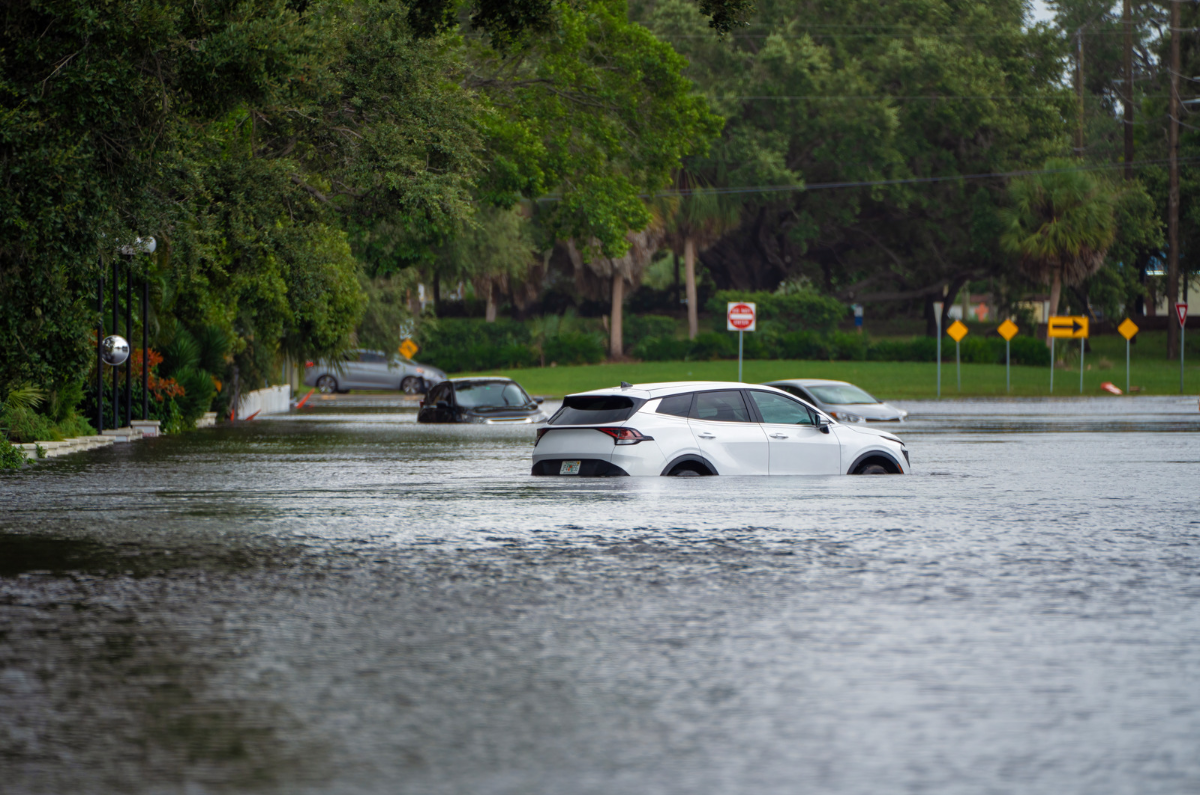
Palm Beach County and Treasure Coast, FL (November 24, 2026) – As repeated rounds of record-breaking flooding impacted communities across Palm Beach, Martin, St. Lucie, Indian River and Okeechobee counties throughout November, 211 Palm Beach and Treasure Coast helped residents access timely information, connect with essential resources and navigate the challenges that followed.
As a trusted community resource and central hub for information during emergencies, 211 activated its disaster communications protocols in response to the November flooding. Staff increased monitoring of community information, critical safety alerts and available resources while working closely with local emergency management teams and community partners to coordinate assistance and identify emerging needs.
As part of these efforts, 211 created a dedicated online resource page featuring flood-related information and available assistance at 211pbtc.org/flood-resources-2026/. The organization also participated in collaborative disaster response meetings throughout the region, sharing real-time data on community requests, referrals and unmet needs with response partners.
“When the water started rising, the calls we received were incredibly specific. People asked how to get to work when the roads were flooded, how to feed their families with no power and where to stay when they couldn’t get home,” said Ty Barnes, president and CEO of 211 Palm Beach and Treasure Coast. “Every call told us what was happening in a specific community, and we shared that information with our partners so they could direct help where it was needed most. That’s part of the work 211 does during a disaster that most people never see.”
A Year of Unprecedented Emergencies
While hurricanes and tropical storms are among the most familiar disasters affecting South Florida and the Treasure Coast, 2026 brought a relatively quiet hurricane season and a series of less common but still extraordinary challenges for the region. In addition to the November flooding, 211 helped support the community through a series of cold-weather emergencies in February and the tragic Greenacres jet crash, which displaced hundreds of residents for more than a week.
In the past, he organization’s disaster response efforts also included serving as a critical information and resource connection point for residents and community partners throughout the COVID-19 pandemic.
These experiences underscore the importance of having a coordinated, accessible resource that can respond to a wide range of emergencies and help communities navigate rapidly changing circumstances.
Local Partnerships Make a Difference
Throughout the November flooding and other recent disasters, 211 worked alongside local government agencies, emergency response teams and nonprofit organizations to help ensure residents received vital information and assistance. Partnerships with county and municipal governments, local United Way organizations, the American Red Cross and others have allowed 211 to serve as a regional hub for disaster information and referrals, as well as relief efforts.
Palm Beach County: 211 has been working closely with Palm Beach County staff, the Red Cross and Catholic Charities to assist residents who were impacted by the Greenacres jet crash. More than 300 residents of a neighborhood near the crash site were displaced while local, state and federal officials worked to investigate the scene and restore safe access to local homes and businesses. The 211 team has also been coordinating with the county’s Office of Emergency Management and participated in the county’s multi-agency resource center to help support flood victims with access to shelter, food, transportation and other basic needs.
Martin County: 211 maintained close communications with the United Way of Martin County to offer support and help inform residents about available flood relief and recovery resources as conditions and response efforts evolved.
St. Lucie County: Collaborative relationships between 211, St. Lucie County, the City of Port St. Lucie, the United Way of St. Lucie & Okeechobee Counties, the Red Cross and Catholic Charities have fostered critical information sharing to help keep residents safe, both during recent floods and in the aftermath.
Indian River County: The 211 team worked closely with the United Way of Indian River County to identify residents displaced by flooding and connect them to interim shelter while longer-term housing support was secured. Additionally, 211’s disaster communications included updates about rapidly changing facility and road closures, emergency shelter, essential supplies and transportation resources.
Okeechobee County: 211 helped initiate a collaboration involving representatives from the United Way of St. Lucie & Okeechobee Counties, the Red Cross, Our Village Okeechobee and Christ Fellowship Church. These discussions helped identify critical trends in community needs and grassroots support to inform response efforts.
Needs Continue Beyond the Immediate Emergency
While calls to 211 increased noticeably during the flooding, call volume has since begun to return to more typical levels. However, residents throughout the region who are still dealing with the aftermath continue to request assistance. Housing repairs, temporary shelter, food assistance and transportation remain among the most pressing needs reported by residents.
“Our disaster response doesn’t end when the immediate crisis passes,” added Barnes. “Many families are still working to put their lives back together, and we want them to know that 211 remains here to help connect them with available support. We also encourage our community partners to keep us updated as their response efforts evolve, so we can get that information to the people who need it. Partners can share updates at 211disaster@211pbtc.org.”
Available 24 hours a day, seven days a week, 211 Palm Beach and Treasure Coast provides free, confidential assistance to individuals and families throughout Palm Beach, Martin, St. Lucie, Indian River and Okeechobee counties. Residents can call 211 to speak with a trained specialist, text their ZIP code to 898211 or visit 211pbtc.org to search the online resource directory. Assistance is available in English, Spanish, Haitian Creole and additional languages.
For more information about flood-related resources, visit 211pbtc.org/flood-resources-2026/.
About 211 Palm Beach and Treasure Coast
211 Palm Beach and Treasure Coast’s mission is to save and improve lives through crisis intervention and by connecting people to health, mental health, and wellness services 24/7. As the region’s frontline responder for the 988 Suicide & Crisis Lifeline, 211 also connects callers to more than 1,600 local agencies offering food assistance, mental health care, elder support, special needs services, and veterans programs. To learn more, visit 211pbtc.org.
 Call 211
 Text 211
 Chat
 Search Online
 Donate
Organization Plays Key Role in Supporting Disaster Response, Identifying Community Needs and Connecting Residents with Assistance Across Five Counties
Palm Beach County and Treasure Coast, FL (November 24, 2026) – As repeated rounds of record-breaking flooding impacted communities across Palm Beach, Martin, St. Lucie, Indian River and Okeechobee counties throughout November, 211 Palm Beach and Treasure Coast helped residents access timely information, connect with essential resources and navigate the challenges that followed.
As a trusted community resource and central hub for information during emergencies, 211 activated its disaster communications protocols in response to the November flooding. Staff increased monitoring of community information, critical safety alerts and available resources while working closely with local emergency management teams and community partners to coordinate assistance and identify emerging needs.
As part of these efforts, 211 created a dedicated online resource page featuring flood-related information and available assistance at 211pbtc.org/flood-resources-2026/. The organization also participated in collaborative disaster response meetings throughout the region, sharing real-time data on community requests, referrals and unmet needs with response partners.
“When the water started rising, the calls we received were incredibly specific. People asked how to get to work when the roads were flooded, how to feed their families with no power and where to stay when they couldn’t get home,” said Ty Barnes, president and CEO of 211 Palm Beach and Treasure Coast. “Every call told us what was happening in a specific community, and we shared that information with our partners so they could direct help where it was needed most. That’s part of the work 211 does during a disaster that most people never see.”
A Year of Unprecedented Emergencies
While hurricanes and tropical storms are among the most familiar disasters affecting South Florida and the Treasure Coast, 2026 brought a relatively quiet hurricane season and a series of less common but still extraordinary challenges for the region. In addition to the November flooding, 211 helped support the community through a series of cold-weather emergencies in February and the tragic Greenacres jet crash, which displaced hundreds of residents for more than a week.
In the past, he organization’s disaster response efforts also included serving as a critical information and resource connection point for residents and community partners throughout the COVID-19 pandemic.
These experiences underscore the importance of having a coordinated, accessible resource that can respond to a wide range of emergencies and help communities navigate rapidly changing circumstances.
Local Partnerships Make a Difference
Throughout the November flooding and other recent disasters, 211 worked alongside local government agencies, emergency response teams and nonprofit organizations to help ensure residents received vital information and assistance. Partnerships with county and municipal governments, local United Way organizations, the American Red Cross and others have allowed 211 to serve as a regional hub for disaster information and referrals, as well as relief efforts.
Palm Beach County: 211 has been working closely with Palm Beach County staff, the Red Cross and Catholic Charities to assist residents who were impacted by the Greenacres jet crash. More than 300 residents of a neighborhood near the crash site were displaced while local, state and federal officials worked to investigate the scene and restore safe access to local homes and businesses. The 211 team has also been coordinating with the county’s Office of Emergency Management and participated in the county’s multi-agency resource center to help support flood victims with access to shelter, food, transportation and other basic needs.
Martin County: 211 maintained close communications with the United Way of Martin County to offer support and help inform residents about available flood relief and recovery resources as conditions and response efforts evolved.
St. Lucie County: Collaborative relationships between 211, St. Lucie County, the City of Port St. Lucie, the United Way of St. Lucie & Okeechobee Counties, the Red Cross and Catholic Charities have fostered critical information sharing to help keep residents safe, both during recent floods and in the aftermath.
Indian River County: The 211 team worked closely with the United Way of Indian River County to identify residents displaced by flooding and connect them to interim shelter while longer-term housing support was secured. Additionally, 211’s disaster communications included updates about rapidly changing facility and road closures, emergency shelter, essential supplies and transportation resources.
Okeechobee County: 211 helped initiate a collaboration involving representatives from the United Way of St. Lucie & Okeechobee Counties, the Red Cross, Our Village Okeechobee and Christ Fellowship Church. These discussions helped identify critical trends in community needs and grassroots support to inform response efforts.
Needs Continue Beyond the Immediate Emergency
While calls to 211 increased noticeably during the flooding, call volume has since begun to return to more typical levels. However, residents throughout the region who are still dealing with the aftermath continue to request assistance. Housing repairs, temporary shelter, food assistance and transportation remain among the most pressing needs reported by residents.
“Our disaster response doesn’t end when the immediate crisis passes,” added Barnes. “Many families are still working to put their lives back together, and we want them to know that 211 remains here to help connect them with available support. We also encourage our community partners to keep us updated as their response efforts evolve, so we can get that information to the people who need it. Partners can share updates at 211disaster@211pbtc.org.”
Available 24 hours a day, seven days a week, 211 Palm Beach and Treasure Coast provides free, confidential assistance to individuals and families throughout Palm Beach, Martin, St. Lucie, Indian River and Okeechobee counties. Residents can call 211 to speak with a trained specialist, text their ZIP code to 898211 or visit 211pbtc.org to search the online resource directory. Assistance is available in English, Spanish, Haitian Creole and additional languages.
For more information about flood-related resources, visit 211pbtc.org/flood-resources-2026/.
About 211 Palm Beach and Treasure Coast
211 Palm Beach and Treasure Coast’s mission is to save and improve lives through crisis intervention and by connecting people to health, mental health, and wellness services 24/7. As the region’s frontline responder for the 988 Suicide & Crisis Lifeline, 211 also connects callers to more than 1,600 local agencies offering food assistance, mental health care, elder support, special needs services, and veterans programs. To learn more, visit 211pbtc.org.